
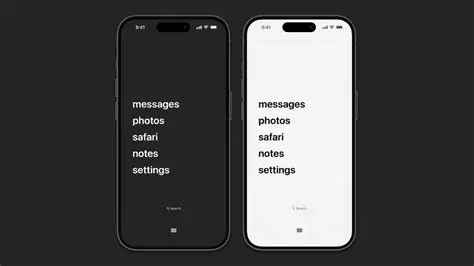
In an era where flagship smartphones boast AI capabilities, 200MP cameras, and always-on connectivity, a curious countermovement is gaining traction among tech-savvy consumers. Digital detox and lifestyle trends are reshaping how we think about mobile devices, with an increasing number of people deliberately choosing older, simpler phones over cutting-edge technology. The iPhone 4, released in 2010, has become an unlikely symbol of this minimalist phone trend—a deliberate step backward that paradoxically feels refreshingly modern.
This article explores why ditching social media tech and using an old iPhone as a dumbphone has become a legitimate lifestyle choice, and how it ties into broader digital detox and lifestyle trends affecting millions worldwide.
Digital Detox and Lifestyle Trends: Why People Are Choosing Older iPhones
The minimalist phone trend isn’t about being Luddites. Rather, it represents a conscious rejection of algorithmic manipulation, notification overload, and the constant surveillance capitalism that defines modern smartphone ecosystems. Digital detox and lifestyle trends have gained scientific legitimacy, with numerous studies linking excessive smartphone use to anxiety, depression, and reduced attention spans.
The iPhone 4 represents the perfect Trojan horse for this movement. Released on June 24, 2010, this device arrived at the intersection of capability and simplicity—before push notifications became parasitic and before smartphones became extensions of corporate data harvesting operations. With its 3.5-inch Retina display (960 x 640 resolution), the iPhone 4 offered sufficient functionality for essential communication while remaining free from the addictive interface patterns that plague modern devices.
Specs That Matter: Why the iPhone 4 Works as a Dumbphone
Understanding the iPhone 4’s technical specifications reveals why it’s surprisingly suited for digital detox and lifestyle trends:
Processor & Performance: The A4 chip, Apple’s first custom-designed processor, may seem primitive by today’s standards, but its limitations are precisely what make it attractive. With only 512MB of RAM, the device simply cannot run modern social media applications smoothly. Instagram, TikTok, and X won’t function properly—a feature, not a bug, for those serious about digital minimalism.
Camera Capabilities: The iPhone 4 featured a 5MP rear camera and VGA front-facing camera. While modern phones offer 48MP, 108MP, or higher sensors, the iPhone 4’s 5MP camera remained functional for occasional photography without encouraging obsessive documentation of daily life. This aligns perfectly with the minimalist phone trend philosophy: capability without compulsion.
Battery Life: With a 1420mAh battery, the iPhone 4 offered roughly 6-8 hours of talk time. This shorter battery life actually reinforces digital detox and lifestyle trends by creating natural boundaries around usage. You must be intentional about when you use the device, mirroring how pre-smartphone generations managed communication.
Display: The 3.5-inch screen with 326 pixels per inch introduced the “Retina Display” concept but remained significantly smaller than modern devices. This physical constraint reduces the visual stimulation that behavioral psychologists identify as critical to smartphone addiction.
Price & Availability: Original iPhone 4 models now sell for $50-150 on secondary markets, making this minimalist phone trend financially accessible. Compare this to current flagship prices exceeding $1,200, and the value proposition becomes clear.
Using an Old iPhone as a Dumbphone: Practical Implementation
Successfully implementing digital detox and lifestyle trends using an iPhone 4 requires strategic choices:
Operating System Considerations: iPhone 4 models maxed out at iOS 5.1.1, released in 2012. This version lacks modern notifications, app tracking, and algorithmic feeds. While security vulnerabilities exist, local-only usage (no cellular service) mitigates risks considerably.
Disabling Connectivity: Many adherents pursuing the minimalist phone trend remove SIM cards entirely, using the iPhone 4 exclusively on Wi-Fi—and even then, only when necessary. This transforms the device into a true communication tool rather than a surveillance device.
App Curation: Without access to modern app stores, users are limited to essential applications. This constraint directly supports digital detox and lifestyle trends by eliminating the choice paralysis that defines modern app ecosystems.
Accessibility Features: The iPhone 4 included accessibility options like larger fonts and high-contrast displays, making the device usable for those with visual impairments without requiring the complexity of modern assistive technology layers.
Comparing the iPhone 4 to Competitors in the Minimalist Phone Trend
The minimalist phone trend includes several alternatives worth considering:
The Punkt MP02: Specifically designed for digital detox and lifestyle trends, this minimalist phone offers even fewer features than an iPhone 4 but costs significantly more ($299+). The iPhone 4’s advantage lies in its familiar interface and actual app compatibility for essential tasks.
Palm’s Companion Phone: Released in 2018 as a “second phone” concept, this device acknowledged ditching social media tech trends but required technological infrastructure the iPhone 4 matches without additional cost.
Classic Feature Phones: Devices like the Nokia 3310 revived offer similar simplicity but lack the iPhone 4’s ability to run mapping applications, email clients, or messaging apps when needed.
The iPhone 4 occupies a sweet spot: robust enough for actual utility, limited enough to support genuine digital minimalism, and affordable enough that the investment feels low-risk.
The Psychological Benefits: Digital Detox and Lifestyle Trends Research
Emerging research supports the appeal of using an old iPhone as a dumbphone. Studies published in the Journal of Social and Clinical Psychology demonstrate that limiting social media use to 30 minutes daily reduces loneliness and depression after three weeks. The iPhone 4’s inability to run modern social platforms essentially enforces this discipline.
Additionally, researchers at the University of California, Irvine found that it takes 23 minutes to regain focus after a distraction. The iPhone 4’s absence of notification systems reduces these interruptions dramatically, supporting productivity and mental well-being—core elements of digital detox and lifestyle trends.
For professionals and creatives, this translates to genuine performance improvements. Writers report increased output when using communication devices incapable of multi-tasking. Parents find that providing children with iPhone 4-era devices offers safety features (calling, texting, maps) without algorithmic engagement tools.
Practical Challenges: Honest Assessment
Honest discussion of digital detox and lifestyle trends must acknowledge limitations. The iPhone 4 lacks GPS reliability compared to modern systems. Modern banking applications won’t function. Cloud synchronization features that protect data are unavailable. Two-factor authentication increasingly requires smartphone support, complicating some security protocols.
For those committed to the minimalist phone trend, these aren’t dealbreakers—they’re acceptable trade-offs for genuine digital autonomy.
Conclusion: The Minimalist Phone Trend as Lifestyle Statement
Digital detox and lifestyle trends represent more than rejecting technology; they reflect intentional choices about which technologies serve genuine human needs. Using an old iPhone as a dumbphone exemplifies this philosophy—embracing specific aspects of smartphone technology (communication, information access) while rejecting those designed primarily for behavioral manipulation and addiction.
The iPhone 4 has inadvertently become the perfect minimalist phone because it arrived at a technological inflection point. It’s sophisticated enough to be genuinely useful, simple enough to be genuinely healthy, and cheap enough that anyone serious about ditching social media tech can experiment without financial commitment.
Whether digital detox and lifestyle trends represent your ultimate path or merely an interesting experiment, the iPhone 4 deserves consideration. It’s a reminder that “newer” and “better” aren’t synonymous—and that sometimes, the most sophisticated choice is choosing simplicity.
For those interested in comparing the iPhone 4 with other devices from its era, check GSMArena’s comprehensive iPhone database to explore technical specifications side by side. Additionally, our comprehensive guide on choosing smartphones for digital wellness provides more detailed strategies for mindful technology adoption.