
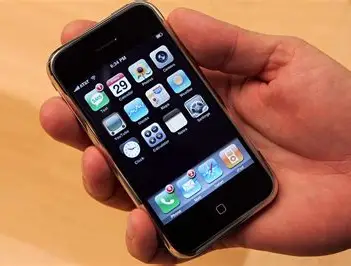
When the iPhone 4 launched in June 2010, it was supposed to represent the pinnacle of smartphone design. With its sleek glass and stainless steel construction, edge-to-edge display, and industry-leading specs, Apple had created what many considered the most beautiful phone ever made. But within weeks, a controversy emerged that would plague the device for years: the infamous Antennagate scandal.
Today, over a decade later, it’s worth asking: did Apple really mess up the iPhone 4, or has this debunking or revisiting a massive tech scandal been unfairly exaggerated? The answer is more nuanced than most people realize.
The iPhone 4 Antennagate Scandal: What Actually Happened?
When users began reporting significant signal loss when holding the iPhone 4 in a particular way—specifically, covering the external stainless steel band that served as the device’s antenna—the tech world erupted. This wasn’t a minor complaint; it was a widespread issue affecting countless devices, leading to dropped calls, lost data connections, and frustrated customers.
Apple’s initial response was dismissive. The company’s leadership suggested that users were simply “holding it wrong,” a statement that became instantly infamous and cemented the antenna issue as a defining mark against the device. This debunking or revisiting a massive tech scandal reveals that Apple’s arrogance may have damaged its reputation far more than the actual hardware flaw.
Technical Specifications and Design Philosophy
To understand the iPhone 4 antenna drama, we need to examine the device’s actual specifications and revolutionary design:
iPhone 4 Technical Specs: – Display: 3.5-inch Retina display with 960 × 640 resolution (326 PPI) – Processor: Apple A4 chip – RAM: 512 MB – Storage: 16GB or 32GB options – Camera: 5MP rear camera with LED flash, 2MP front-facing camera – Battery: 1420 mAh (talk time up to 14 hours) – Release Date: June 24, 2010 – Original Price: $199-$299 (with contract)
The iPhone 4’s antenna design was genuinely innovative. Rather than hiding the antenna internally, Apple integrated the stainless steel band that formed the device’s frame as the actual antenna. This allowed for a thinner profile and contributed to the phone’s iconic industrial design. However, this decision created an unexpected vulnerability: when a user’s skin bridged the gap between the two antenna segments, signal strength dropped dramatically.
How to Hold iPhone 4: The Workaround Solution
Apple’s suggestion to “hold it differently” wasn’t entirely without merit, though the phrasing was unfortunate. Users who adjusted their grip—avoiding direct contact with the lower left corner where the antenna gap was most vulnerable—could largely avoid the issue. However, this essentially required users to change their natural phone-holding behavior, which was unreasonable for a premium device costing $200-$300.
The company eventually released free cases and bumpers to remedy the problem, a solution that worked but highlighted the fundamental design flaw. For a phone marketed on its elegant aesthetics, requiring a case to use it properly represented a significant compromise.
Apple Design Flaws History: Is the iPhone 4 Unique?
This debunking or revisiting a massive tech scandal also offers an opportunity to examine Apple’s broader design philosophy. The iPhone 4 wasn’t Apple’s first design misstep, nor would it be the last:
– iPhone 6 Plus bending: The 2014 model was criticized for bending under pressure – iPhone 12 and MagSafe issues: Magnetic interference complaints emerged – Butterfly keyboard MacBooks: These required multiple recalls due to reliability issues
What distinguishes the iPhone 4 Antennagate scandal, however, is that it fundamentally affected the device’s core function—making phone calls. Unlike cosmetic design issues, antenna performance is non-negotiable in a smartphone.
Phone Signal Drama: Severity and Real-World Impact
How serious was the antenna issue in practical terms? Testing by various tech reviewers showed that signal loss was real but context-dependent. Users in areas with strong cellular coverage often noticed nothing. However, in marginal reception areas—which included many populated regions—the problem became severe.
The scandal was amplified by: – Media coverage: Tech media extensively documented the issue – Consumer expectations: At this price point, users expected perfection – Apple’s response: The company’s dismissive attitude infuriated customers – Competitive timing: Competitors like HTC and Google were eager to exploit the vulnerability
In comparison, contemporary Android phones offered more traditional antenna designs with fewer reception complaints, though they often lagged behind the iPhone 4 in overall performance and user experience.
Revisiting the iPhone 4: Was It Really a Disaster?
Here’s where this debunking or revisiting a massive tech scandal becomes interesting: despite Antennagate, the iPhone 4 was enormously successful. Apple sold over 1.7 million units in the first three days and over 25 million by the end of 2011.
Why? Because the iPhone 4 excelled in other areas: – Display quality: The Retina display was genuinely revolutionary and set new standards – Camera performance: The 5MP rear camera with LED flash was competitive and produced excellent photos for 2010 – Processing power: The A4 chip delivered smooth performance – Build quality: Despite the antenna issue, the glass and stainless steel construction felt premium – Software integration: iOS 4 offered features Android couldn’t match at the time
The phone demonstrated that a single flaw, even a significant one, couldn’t completely overshadow excellence in other dimensions.
The Lasting Legacy: What We Learned
This debunking or revisiting a massive tech scandal teaches important lessons about corporate communication and product design:
1. Honesty matters: Apple’s dismissive “holding it wrong” comment damaged trust more than the antenna flaw itself 2. Transparency wins: Companies should acknowledge issues and explain solutions promptly 3. Design compromises require planning: When making design decisions, companies must consider practical consequences 4. Context is crucial: The severity of a flaw depends on real-world usage patterns, not just lab tests
For further insights into smartphone antenna technology and testing methodologies, check out GSMArena’s detailed device analysis.
Conclusion: Did Apple Really Mess Up?
The answer is both yes and no. Yes, Apple implemented a flawed antenna design that genuinely affected phone performance in certain conditions. No, this single flaw didn’t ruin an otherwise exceptional device that advanced smartphone technology significantly.
The real mistake wasn’t the antenna design itself—it was Apple’s arrogant response and initial refusal to acknowledge the problem. This debunking or revisiting a massive tech scandal ultimately reveals that how companies handle adversity matters as much as preventing problems in the first place. The iPhone 4 remains a landmark device that shaped the smartphone industry, but it’s also a reminder that even the best companies can stumble when they ignore customer concerns.